A dead boiler on a bitter January morning has a way of focusing the mind. Radiators turn cold, the thermostat clicks into nothing, and the house quickly loses that thin film of warmth that makes winter bearable. If there is a burning smell or the carbon monoxide alarm chirps, the pressure spikes. The choices you make in the next hour decide whether you get a safe, effective fix or a string of callbacks, extra costs, and another night with the kettle doing the heavy lifting.
I have spent years around heating systems, from tracing an intermittent lockout in a cafe’s combi at 6 a.m. to swapping a pressure relief valve in a terraced house in Leicester with snow in the air. Patterns emerge. The best outcomes come from a blend of fast thinking and steady judgment, and from knowing when to hold out for the right professional rather than the first available body with a van.
This guide brings that lived experience to a structured approach. If you are searching for boiler repair in Leicester or nearby villages, scanning for local emergency boiler repair on your phone, or trying to lock in same day boiler repair in the middle of a cold snap, here is how to do it right and avoid the classic traps.
What counts as urgent, what can wait, and why that matters
Every homeowner calls an issue urgent when there is no hot water. In practice, urgency has degrees. A lack of heating with no other symptoms on a mild day is inconvenient. A gas smell, a carbon monoxide alarm, visible scorch marks around the case, or water pouring out of the boiler case crosses into immediate risk.
Boiler engineers triage calls. They prioritise leaks on live electrics, suspected flue problems, frozen or split condensate pipes with water entering the property, and faults on homes with clinically vulnerable occupants. A good firm will ask structured questions, then assign a visit slot according to risk, parts availability, driving distance, and technician skillset. In winter, true same day boiler repair is precious resource, and urgent boiler repair slots go to life-safety issues first.
If you understand this, you can help your booking case by offering clear details, photographs, and any error codes from the display. You also avoid pushing for speed at the expense of quality. It is better to secure a next-morning visit from a competent local boiler engineer than a rushed same day assessment that does not have the right spares on the van.
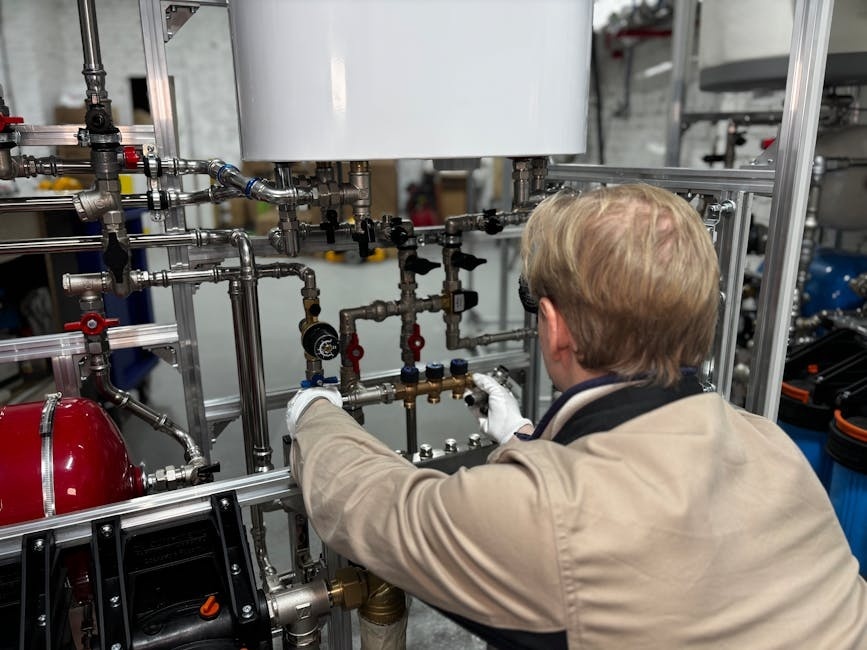
Safety first, always: immediate steps before you call
When something feels off, basic safety checks buy time and reduce risk. These are not a substitute for a gas boiler repair by a qualified professional, but they keep you safe while you wait.
- If you smell gas, hear hissing near pipework, or suspect a leak, turn off the gas at the emergency control valve by the meter, open windows and doors, avoid switches and flames, and leave the property. Call the National Gas Emergency number for the UK. Do not attempt boiler repair yourself. If the carbon monoxide alarm sounds or you feel sick, dizzy, or nauseous, open windows, leave the property, and seek fresh air. Do not re-enter until a professional says it is safe. If water is dripping out of the boiler casing or from the pressure relief discharge pipe, switch off the boiler at the fused spur and isolate the cold feed. Place a container under any obvious drip if safe to do so. If the boiler cycles on and off with a burning smell, turn off power at the fused spur. Do not remove the case. If the condensate pipe outside has frozen in sub-zero weather, pour warm (not boiling) water along the external pipe and gently insulate with towels as a temporary measure. If the boiler resets and runs, still book a service to prevent a repeat.
Those five bullets are the difference between a manageable job and a hazard. Everything else is detail.
How to find the right professional for boiler repair Leicester
When you look for boiler repairs Leicester residents rely on during cold spells, you want three things in one person: legal competence, real diagnostic skill, and commercial honesty. The first is straightforward to verify. The latter two show up in conversation and in how the engineer approaches your fault.
Gas work in the UK requires Gas Safe registration. gas boiler repair That is not a nicety; it is your legal and safety foundation. Look up the business or individual on the Gas Safe Register, check their card, and confirm they are certified for the right equipment type, such as boilers and flues. If you have an LPG system in a rural village outside Leicester, make sure the engineer’s card includes LPG for domestic appliances.
Next, the engineer’s diagnostic mindset. A sound boiler engineer will ask you about symptoms rather than try to sell a part immediately. They will want to know if the fault is intermittent or constant, whether the pressure sits between 1.0 and 1.5 bar when cold, if the boiler loses pressure overnight, whether hot water is affected on a combi, and whether the flue terminal shows normal plume. They may ask you to send a photograph of the data badge and a short video of the display at power-on. Small signs point in big directions: a rhythmic clicking and then lockout on an Ideal Logic often hints at ignition issues or a blocked condensate trap, while lukewarm hot water with decent heating is a classic diverter valve or plate heat exchanger problem on many combis.
Finally, commercial honesty. The best firms give an upfront call-out charge, a clear labour rate after the first hour, and a realistic parts price with VAT. They will tell you when a repair edges into false economy compared with replacing a 17-year-old non-condensing unit that drinks gas and needs two major components. They let you keep replaced parts. They provide a digital invoice and a brief written summary of the fault and remedy.
Leicester specifics: availability, travel time, and common kit in local homes
Leicester and Leicestershire have a healthy population of local boiler engineers, from sole traders in Oadby and Wigston to medium-sized firms covering the ring road and the county lanes out to Market Harborough, Loughborough, and Melton Mowbray. In the city itself, response time can be rapid outside the winter rush. In January and February, same day boiler repair is still possible, but peak-hour traffic around Narborough Road and the A563 adds its own friction. If you are in a village, factor in travel time and road conditions after snow.
Local housing stock shapes the faults you see. Leicester’s Victorian terraces often have compact combis tucked in kitchens with short flue runs. Post-war semis might run regular boilers with a cylinder, especially in loft conversions. New builds in places like Hamilton and Thorpe Astley largely use condensing combis with plastic condensate runs outside. That last detail explains why frozen condensate lines cause a huge spike in urgent boiler repair calls on the first hard freeze. Knowing your layout helps you describe it over the phone and helps the engineer prepare.
As for brands, Worcester Bosch, Vaillant, Ideal, Baxi, and Viessmann are common sights. A shop in the Midlands can usually source standard spares like electrodes, fans, pumps, diverter valves, and expansion vessels same day or next morning. Rare printed circuit boards for older models may take longer. Ask the engineer whether they carry typical spares on the van for your brand. Many do, which makes true boiler repair same day plausible.
Booking the visit: what to say, what to ask, what to avoid
The first call is where most homeowners lose or gain a day. Be clear, concise, and prepared. Give the engineer your boiler make and model, whether it is a combi or a system with a cylinder, and the exact error code if present. Mention any flooding, smells, or alarms. Add the age of the appliance and the date of the last service if you know it. If you are calling for boiler repair Leicester from a rented property, say whether you are the landlord, tenant, or managing agent.
Then ask smart questions. You are not interrogating, just ensuring alignment. Keep it practical and brief.
- Are you Gas Safe registered for boilers, and what is your Gas Safe number so I can check? What is your call-out fee, how does your labour charge apply after the first hour, and do you charge for a return visit with parts? Do you carry common spares for my boiler brand, and how likely is a same day fix based on my fault description? What is your earliest time slot today or tomorrow, and can you give a two-hour arrival window? Will I receive a written job sheet with findings, parts used, and any warranty on the repair?
Listen to how the engineer answers. A professional will be unhurried and plainspoken, not evasive or salesy. They will also give you a realistic probability, not a guarantee, of same day boiler repair for complex faults.
Avoid pressing for a diagnosis sight unseen or bargaining down to the point where an engineer feels they must rush. Good tradespeople walk from bad-fit jobs. You want someone who values care over speed.
What a competent engineer does on an urgent visit
On arrival, a good local boiler engineer will show their Gas Safe card, park safely without blocking access, and ask for the boiler location, the fused spur, and the gas meter. They will likely start with visual inspection: flue integrity and support clips, case condition, signs of heat damage or water ingress, condensate routing and termination, and system pressure. They will check for inhibitor stickers, service records, and any DIY smart thermostat wiring.
They will run basic electrical and gas safety checks before opening the sealed case. With many faults, the first 10 minutes set the course:
- No heating and no hot water on a combi with a pressure at zero usually points to a system leak, failed expansion vessel, or a pressure relief valve stuck slightly open. The engineer will top up to 1.2 bar cold, bleed a high radiator, watch for pressure drop, and inspect the expansion vessel Schrader valve. If the vessel is flat, they may recharge it or recommend replacement. Repeated ignition failure with a code like F28 on a Vaillant could be a blocked condensate trap, poor earth, electrode or lead issue, or a gas supply problem. The engineer will check the condensate first, then test ionisation current and confirm gas inlet pressure and working pressure under load. Hot water temperature fluctuating on a combi points at a plate heat exchanger fouled with limescale, a lazy NTC sensor, or a diverter valve not travelling fully. A thermistor check and a thermometer on the tap will help isolate the culprit. Kettling noises and rapid overheat cut-outs often mean scale or debris in the main heat exchanger. The engineer will test for good circulation, assess pump performance, and consider a targeted chemical flush or powerflush if the system is sludged, along with inhibitor dosing.
Throughout, they will keep the workspace tidy, protect surfaces, and explain findings in plain English. If they need parts, they will either source locally for a same day return or schedule the earliest slot the next day.
Common faults, realistic repair times, and typical costs
Every system is unique, but patterns repeat often enough to give useful ranges. Prices vary by firm and VAT status, but in Leicester you commonly see a weekday call-out between 60 and 120 pounds including the first 30 to 60 minutes, then hourly labour between 60 and 90 pounds. Parts are extra. Weekend and evening urgent boiler repair commands a premium.
Here are frequent issues with rough expectations:
- Frozen condensate pipe: 15 to 45 minutes to thaw and reset if external and accessible. Often covered under a standard call-out. Permanent fix involves rerouting or upsizing the pipe to 32 mm, adding proper fall, and insulating with weather-resistant lagging, which can take 1 to 3 hours. Pressure loss with no obvious leak: Recharging the expansion vessel can take 45 to 90 minutes. Replacing a failed vessel on some combis is 2 to 3 hours depending on access. Parts range 80 to 180 pounds. If the pressure relief valve has been venting and now weeps, replacement adds 50 to 120 pounds for the part. Diverter valve stuck or leaking on a combi: 1.5 to 3 hours. Parts 80 to 200 pounds depending on brand. A diverter service kit can be a cheaper path on some models. Plate heat exchanger fouled: 1 to 2 hours to replace. Part 70 to 150 pounds. On hard water areas, fitting a scale reducer and recommending descaling cartridges for the incoming supply helps long-term. Ignition lockout due to electrodes or flame sensing: 45 to 90 minutes. Parts often modest, 20 to 60 pounds, though labour dominates. Fan failure or noisy bearings: 1 to 2 hours. Fans can run 120 to 300 pounds. PCB failure: 0.5 to 1 hour to diagnose, 30 to 60 minutes to replace. Boards can be costly, 150 to 350 pounds. Many engineers caution against fitting a new board to a very old boiler unless the rest of the system is healthy.
A key point: serial repairs on boilers over 12 to 15 years old can add up fast. If your unit needs a fan, a PCB, and has a scaled main heat exchanger with low efficiency, a frank talk about replacement is responsible. New A-rated condensing boilers sip gas compared with older non-condensing models. A trusted engineer will present the numbers and leave the decision to you.
Local emergency boiler repair versus next-day efficiency
There is a trade-off between speed and certainty. An emergency call at 8 p.m. might get you heat overnight, but the fix is limited to what is safe and on the van. A well-timed call at 7:45 a.m. with clear photos and the right model number can line up the correct part from the Leicester supplier by 10 a.m., leading to a boiler repair same day that holds. When weather is harsh and the diary is stacked, engineers prioritise known solvable jobs with parts in hand. The second approach often wins in total time to warm house, even if it is not the earliest possible arrival.
There are genuine emergencies: gas smell, carbon monoxide alarm, uncontrolled leaks. In those cases, you do not browse listings, you speak to emergency services and isolate supplies. For everything else, aim for the earliest slot that still allows the engineer to plan and stock.
Legal and warranty points many people miss
Three documents govern a large chunk of boiler work, and missing any of them costs money.
First, Gas Safe competence. Only a Gas Safe registered engineer should open the sealed case. If a non-registered person tampers and something goes wrong, insurance may refuse to pay out. When you instruct gas boiler repair, check the register.
Second, manufacturer warranty. If your boiler is within warranty, call the manufacturer first. They often use their own network or approved partners. Using third parties can void coverage. A local engineer can still local boiler engineer be useful for an interim safety inspection or for issues not covered, but know your terms.
Third, servicing. Many warranties require annual service recorded with a stamp or digital log. Skipped services reduce lifespan by letting dirt and scale build up, leading to failures of components like spark electrodes, fans, and the expansion vessel. Annual service also catches flue faults and CO risks early. If your urgent boiler repair reveals long gaps in maintenance, view it as a turning point and schedule regular servicing each autumn.
Landlords have extra duties. The annual Landlord Gas Safety Record (LGSR) is not the same as a service. You need both: the safety check to satisfy legal requirements and a proper strip-down service to keep the appliance healthy. Letting agents in Leicester often coordinate both, but ask for copies and keep them.
Preparing your home for the visit to save time and money
Small gestures make material differences on urgent visits. Clear a metre of space around the boiler. Move fragile items off worktops if the boiler sits in a kitchen cabinet. Show the engineer the route to the gas meter and the stop tap. If you know where the filling loop is, point it out. If the thermostat or programmer is in a different room, tell them. A five-minute tour avoids twenty minutes of hunting.
Have your thermostat batteries fresh. More no-heat callouts turn out to be controller issues than most people realise. If you run a smart thermostat, pull up the app and show recent schedules and temperature histories. Ghost schedules or app misconfigurations can mimic boiler faults.
Pets are lovely but can be a tripping hazard in tight utility rooms. Give the engineer a pet-free zone while they work.
When the answer is not repair: honest replacement criteria
There is always a repair if you throw enough parts and hours at a problem. That does not mean it is the right call. A simple framework helps:
- Age and efficiency: If your boiler is 15 to 20 years old, non-condensing, and your gas bills have crept up, major spend on a PCB and fan often has poor payback. A new condensing boiler with weather compensation or load compensation via a smart thermostat repays the gap over a few winters. Availability of parts: Some legacy models, especially those from manufacturers that left the UK market, have scarce spares. If the part is special-order with no firm ETA, downtime matters. System health: Replacing a main component into a system full of sludge and magnetite simply kicks the can. If radiators are patchy and black water comes out when you bleed them, a system clean and inhibitor are minimum, and replacement becomes more appealing. Safety: Old flues in poor condition or signs of heat damage around the case argue for a broader intervention.
A forthright engineer lays out these points with numbers. They will not push for a sale if repair remains a better option.
Aftercare: making the fix last
Once your urgent boiler repair is done, protect your investment. Ask for a copy of combustion readings, gas working pressure, and any CO checks. For sealed systems, ensure the inhibitor dosage is up to spec. If the engineer fitted new components, note the part numbers and any warranty period. Set a recurring reminder for an annual service, ideally before the first cold snap.
If your house sits in a hard water zone, consider fitting a scale reducer on the cold feed to a combi. Plate heat exchangers hate limescale. If your property suffered a frozen condensate, have the pipe rerouted internally if practical, upsized externally, and insulated properly. Clip the pipe to maintain fall, avoid long horizontal runs, and use a suitable termination point. What keeps you from calling for local emergency boiler repair on the next frosty morning is often a modest bit of pipework today.
For ongoing efficiency, balance your radiators and set your flow temperature appropriately. Many condensing boilers run more efficiently at lower flow temps, for example 55 to 60 degrees, provided your radiators can deliver heat at those temperatures. A weather compensation kit or a smart thermostat with load compensation improves comfort and cuts bills.
Edge cases: LPG, system boilers with cylinders, and underfloor heating
LPG properties around the county need an engineer with the right category on their Gas Safe card. Cylinders introduce extra failure points like motorised zone valves, cylinder thermostats, and hot water priority. An unvented cylinder adds safety valves and an expansion vessel of its own. A no-hot-water call in a system like this can be an electrical fault on the two-port valve rather than a boiler issue at all. An experienced local boiler engineer will check the S-plan or Y-plan wiring, confirm valve actuator positions, and isolate the problem quickly.
Underfloor heating can mask circulation problems. Low-temperature loops are unforgiving if air is trapped. Signs like hot boiler flow with cool return and rapid cycling point to airlocks or a failed UFH pump. Mention underfloor zones on the initial call to help the engineer pack the right adapters and bleed tools.
Data that helps you get same day boiler repair
In a true rush, information is leverage. Have the following ready on your phone:
- A clear photo of the boiler data plate with make, model, GC number, and serial. A short video of the display as the boiler tries to ignite, including any error codes, and the pressure gauge reading. A shot of the flue terminal outside. The last invoice or service sheet if you have it.
With that, many local boiler engineers can swing by the parts supplier before your slot and show up ready to fix. That is how same day boiler repair so often depends on a five-minute prep on your side.
How reputable firms structure pricing and communication
Good firms in Leicester spell out their call-out zone, emergency out-of-hours policy, and pricing bands. You can expect:
- A transparent call-out charge covering travel and the first diagnostic period. A clear hourly rate thereafter, often pro-rated to the quarter-hour. Parts invoiced at fair market price with VAT specified. A written job sheet describing the fault, tests performed, remedial work, parts fitted, and any advisories. Payment options that include card on-site or online, with a VAT invoice for your records.
If a company hedges on supplying a VAT invoice, or if the numbers seem far outside typical bands without justification, pause. Leicester has enough reputable options that you can step away.
Timing your call and setting expectations in peak season
After the first frost, calls multiply. Engineers triage by risk and feasibility. If you phone at 4 p.m. with a fault likely to need a part, same day boiler repair becomes unlikely unless the part is on the van. A call before 9 a.m. with good detail has the best shot. During extremely busy periods, be flexible. A two-hour arrival window is standard. If you cannot be home, arrange for a neighbour with keys, but make sure they are briefed and reachable.
Weather can affect diagnostics. A frozen condensate that thaws by midday may leave no visible fault by the time the engineer arrives. If the engineer suspects this, they will still inspect and advise on permanent prevention. Do not feel short-changed. These calls can be the most valuable, since they prevent repeat lockouts at 3 a.m.
Ten-minute troubleshooting you can do without touching internals
A few harmless checks can spare you a call-out, or at least give the engineer cleaner data:
- Check the room thermostat setpoint and schedule. Turn it up to 25 C briefly and wait. If the boiler fires, the issue was setpoint or schedule. Replace the thermostat batteries if it is a battery unit. Weak batteries cause erratic signals. Confirm the boiler’s pressure gauge sits between 1.0 and 1.5 bar cold on sealed systems. If it is near zero and you know how to use the filling loop, slowly top up to 1.2 bar. If pressure drops again, stop and call a professional. Do not overfill. Look at the error code and note it. Many combis display codes like E119 for low pressure. Take a photo. Check the fused spur switch by the boiler is on, and the consumer unit has not tripped.
If you are not comfortable with any of these, skip them. Gas and water do not reward guesswork.
The value of a local relationship
Heating systems reward continuity. If you find a solid local boiler engineer, keep the relationship. They will remember that your Worcester needed a diverter kit two winters ago or that your Viessmann shows a heartbeat during pre-ignition. They will know your home’s quirks, from the slow-filling towel rail to the loft valve that likes to stick. When you need urgent boiler repair again, the call will be shorter and the visit more efficient.
Loyalty works both ways. Many engineers squeeze loyal clients into same day slots during crunch weeks or offer advice via text that spares a chargeable visit. They will also tell you frankly when repair no longer stacks up.
Bringing it together
Boiler repair is part science, part craft, and part logistics. The science is in the combustion numbers and fault codes. The craft is in the feel for a tired fan bearing or the way an expansion vessel sighs when flat. The logistics are in getting the right engineer, with the right part, to the right door, at the right time. When you need local emergency boiler repair, especially in and around Leicester, set yourself up for success: prioritise safety, prepare information, choose verified professionals, and give them space to do their best work.
With that approach, urgent boiler repair becomes a controlled event, not a crisis. Cold radiators warm, the cylinder recovers, the thermostat clicks with purpose, and you go back to living. That is the quiet gold standard of gas boiler repair, and it is absolutely achievable when you pair a prepared homeowner with a competent local boiler engineer.
Local Plumber Leicester – Plumbing & Heating Experts
Covering Leicester | Oadby | Wigston | Loughborough | Market Harborough
0116 216 9098
[email protected]
www.localplumberleicester.co.uk
Local Plumber Leicester – Subs Plumbing & Heating Ltd deliver expert boiler repair services across Leicester and Leicestershire. Our fully qualified, Gas Safe registered engineers specialise in diagnosing faults, repairing breakdowns, and restoring heating systems quickly and safely. We work with all major boiler brands and offer 24/7 emergency callouts with no hidden charges. As a trusted, family-run business, we’re known for fast response times, transparent pricing, and 5-star customer care. Free quotes available across all residential boiler repair jobs.
Service Areas: Leicester, Oadby, Wigston, Blaby, Glenfield, Braunstone, Loughborough, Market Harborough, Syston, Thurmaston, Anstey, Countesthorpe, Enderby, Narborough, Great Glen, Fleckney, Rothley, Sileby, Mountsorrel, Evington, Aylestone, Clarendon Park, Stoneygate, Hamilton, Knighton, Cosby, Houghton on the Hill, Kibworth Harcourt, Whetstone, Thorpe Astley, Bushby and surrounding areas across Leicestershire.
Google Business Profile:
View on Google Search
About Subs Plumbing on Google Maps
Knowledge Graph
Latest Updates
Follow Local Plumber Leicester:
Facebook |
Instagram

Visit @subs_plumbing_and_heating on Instagram
Gas Safe Boiler Repairs across Leicester and Leicestershire – Local Plumber Leicester (Subs Plumbing & Heating Ltd) provide expert boiler fault diagnosis, emergency breakdown response, boiler servicing, and full boiler replacements. Whether it’s a leaking system or no heating, our trusted engineers deliver fast, affordable, and fully insured repairs for all major brands. We cover homes and rental properties across Leicester, ensuring reliable heating all year round.
❓
Q. How much should a boiler repair cost?
A. The cost of a boiler repair in the United Kingdom typically ranges from £100 to £400, depending on the complexity of the issue and the type of boiler. For minor repairs, such as a faulty thermostat or pressure issue, you might pay around £100 to £200, while more significant problems like a broken heat exchanger can cost upwards of £300. Always use a Gas Safe registered engineer for compliance and safety, and get multiple quotes to ensure fair pricing.
❓
Q. What are the signs of a faulty boiler?
A. Signs of a faulty boiler include unusual noises (banging or whistling), radiators not heating properly, low water pressure, or a sudden rise in energy bills. If the pilot light keeps going out or hot water supply is inconsistent, these are also red flags. Prompt attention can prevent bigger repairs—always contact a Gas Safe registered engineer for diagnosis and service.
❓
Q. Is it cheaper to repair or replace a boiler?
A. If your boiler is over 10 years old or repairs exceed £400, replacing it may be more cost-effective. New energy-efficient models can reduce heating bills by up to 30%. Boiler replacement typically costs between £1,500 and £3,000, including installation. A Gas Safe engineer can assess your boiler’s condition and advise accordingly.
❓
Q. Should a 20 year old boiler be replaced?
A. Yes, most boilers last 10–15 years, so a 20-year-old system is likely inefficient and at higher risk of failure. Replacing it could save up to £300 annually on energy bills. Newer boilers must meet UK energy performance standards, and installation by a Gas Safe registered engineer ensures legal compliance and safety.
❓
Q. What qualifications should I look for in a boiler repair technician in Leicester?
A. A qualified boiler technician should be Gas Safe registered. Additional credentials include NVQ Level 2 or 3 in Heating and Ventilating, and manufacturer-approved training for brands like Worcester Bosch or Ideal. Always ask for reviews, proof of certification, and a written quote before proceeding with any repair.
❓
Q. How long does a typical boiler repair take in the UK?
A. Most boiler repairs take 1 to 3 hours. Simple fixes like replacing a thermostat or pump are usually quicker, while more complex faults may take longer. Expect to pay £100–£300 depending on labour and parts. Always hire a Gas Safe registered engineer for legal and safety reasons.
❓
Q. Are there any government grants available for boiler repairs in Leicester?
A. Yes, schemes like the Energy Company Obligation (ECO) may provide grants for boiler repairs or replacements for low-income households. Local councils in Leicester may also offer energy-efficiency programmes. Visit the Leicester City Council website for eligibility details and speak with a registered installer for guidance.
❓
Q. What are the most common causes of boiler breakdowns in the UK?
A. Common causes include sludge build-up, worn components like the thermocouple or diverter valve, leaks, or pressure issues. Annual servicing (£70–£100) helps prevent breakdowns and ensures the system remains safe and efficient. Always use a Gas Safe engineer for repairs and servicing.
❓
Q. How can I maintain my boiler to prevent the need for repairs?
A. Schedule annual servicing with a Gas Safe engineer, check boiler pressure regularly (should be between 1–1.5 bar), and bleed radiators as needed. Keep the area around the boiler clear and monitor for strange noises or water leaks. Regular checks extend lifespan and ensure efficient performance.
❓
Q. What safety regulations should be followed when repairing a boiler?
A. All gas work in the UK must comply with the Gas Safety (Installation and Use) Regulations 1998. Repairs should only be performed by Gas Safe registered engineers. Annual servicing is also recommended to maintain safety, costing around £80–£120. Always verify the engineer's registration before allowing any work.
Local Area Information for Leicester, Leicestershire